Sunday, August 16, 2026

Finland - Land of Tulips & Akvavit.

 In 1906, Finland was the first European country to grant women the right to vote and run for Parliament. Independence and self-sufficiency are valued. Everyone appreciates good manners. The Finnish practice Old European Manners (see post from August 12, 2020). Carl Gustaf Emil Mannerheim is a national hero and great Military leader. Finland is a liberal society with no class distinctions. Their Baltic temperatures are quite cold and snowy in the winter, and winters are long with short daylight. Temperatures average 65 degrees in the Summer but can get up to 81 degrees in the Summer. Fall can get rapidly cold as well and get windy and rapidly rainy. Layer your clothing accordingly. Religion is 88% Lutheran. 

The population of Finland is 5.5 Million. The Capital is Helsinki, itself with a population of 700,000. Finland is a Parliamentary Republic since 1919, with a single-chamber Parliament called the Eduskunta with 200 members who choose their own Prime Minister. The two main languages spoken are Finnish and Swedish. Finnish is a Uralic language.  English is also spoken, especially in big cities. The GDP per capita is $60,000 USD. Natural Resources include timber (forestry), paper, copper, zinc, and iron ore. Ship building is the most traditional industry, with machinery and metals engineering, electronics, technology pharmaceuticals and chemical production. Both parents work. Family sizes are very small with 1-2 children. Currency is the Finnish Markka, or 'Finmark.' 

Public manners are quiet and reserved. Do not show emotion. Be sincere. Do not talk to strangers on the street and especially do not strike up conversation with strangers in a restaurant. No touching or PDA in public. Remove your hat when inside. Dress Code is 'Casual Chic.' Hand shaking is a firm 2 shakes, then down. Shake hands with everyone, including men, women and children, upon greeting and departing. Maintaining eye contact is important. Business hours are 9:00am to 4:00pm. Be punctual for meetings and meals.  

Continental style dining is a must. Keep your wrists always above the table. Back in the day of Kings, knaves would hide a knife up their sleeve, so if you put your hands below the table or in your lap, you still will not be trusted. The Host will seat the guests. The Host and Hostess sit opposite each other at opposite ends of the table. Do not drink until the Host has first proposed a Toast. "Snaps" are a small shot sized glass of Akvavit, a clear traditional caraway liquor drink. Sip it slowly. Do not eat anything with your fingers. "Skal" and 'Kippis' are the traditional toasts meaning 'Cheers' and 'Good Health.' Sahti is homemade beer. 

Children are also included at the table. Take second helpings when offered. It is rude not to finish all the food on your plate. Coffee is served after dinner. A favorite! Cookies or small cakes may be served as well. If you take a cookie or cake, eat it. In Restaurants, Service Charge is 15% and included in the check, however, if the service is very good, extra cash can be left on the table, or handed to the waiter when leaving.  Compliment and thank your Hostess. A Sauna may follow dinner.  

The Restroom is marked "W.C." Red is for hot water on the left spigot (Kuuma vesi), and blue is for cold water on the right spigot (Kylma vesi). Restrooms are marked "W.C.", and some may have attendants. Ladies Rooms may also be marked "Naiset", Mens Rooms may be marked "Miehet."  Tipping for the restroom is $1-2 USD. Coatchecks (and boots too) are listed as "Nirikka" and the tip should be about $5 USD. Some coatchecks are self-service. Keep a valuable mink coat with you, turned inside out on your lap. For Taxis, round up the fare for tip. Tip the Porter $2 per bag. Tip the maid $4-5 UDS per day. 

Magic words include: Thank you: 'Kiitos' (Key-eat-ohs). Please: 'Pyydan', You're Welcome: 'Ole hive (o -leh-Wyho-yah), Yes: 'Kylla' (Cool-la), No: Ei (a), Hello: 'Hei' (Hay), Goodbye: ' Nakemiin' (Knack-eh-me-een). Good Morning: ''Hyvaa huomenta' (Wyho-vah-Who-o-men-teh).

Breakfast involves hot cereal, eggs, fruit, yogurt, and coffee. Lunch is a 'lite' meal: open faced sandwiches, salad, and milk. Dinner is soup, fish or veal or chicken (rarely meat), potatoes, cheeses and dessert. Milk, water and beer are served with meals. 

'Alkujuoma' is Appetizers, 'Lampima roust' is Main Course - Entree, 'Jalkiruokia' is Dessert. 'Riista' is wild game. 'Voieipapoyta' is Cold Smorgasbord. 'Merimiespihvi' is Beef chances with onion, potatoes and beer. 'Kasakeitto' is Summer vegetable soup. 'Kalakukko' is Fish and pork in a Rye bread crust. 'Rapuja' is Crayfish shaped in a ball. 'Rusipiirakka' is Rye pastry with rice. 'Kiisseli' is Fruit pudding. 'Perunapiirakka' is Rye pastry with mashed potatoes. 'Poronliha' is Reindeer meat. 'Lohi' is salmon. 'Rahkapiirakka' is Cheesecake. 'Kana' is Chicken. 'Leipaa is Bread. 'Keittoja' is Soups. 'Lihaa is Meat. 'Sian' is Pork. 'Lampaan' is Lamb. 

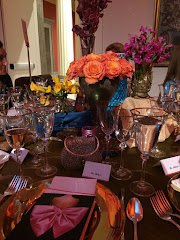
Gift giving includes: Tulips!!! A favorite, but give them only in odd numbers. NO white or yellow flowers (funerals). Wines, Liquors, glass, art and chocolates, books and Cognac are always good gifts. 

Remember: It is bad luck to pass the salt & pepper 'hand to hand.' Always set the salt & pepper down on the table. 

Saturday, August 15, 2026

Ecuador - Named For The Equator and with Famous 'Pan de Yuca' naturally Gluten-Free Bread

Ecuador is a mineral rich country and known for the famous Andes Mountains, the Amazon Rainforest and Darwinism. The population of Ecuador is 18.4 Million. The Capital is Quito. A major city and main seaport is Guayaquil with a population of 2 Million people. The GDP in Ecuador per capita is $7,575.00 USD. The Land Area is about the size of the State of Nevada. Ecuador champions the Archipelago de Colon and the famous Galapagos Islands, the "Islands of the Tortoise" which are 600 miles off of Ecuador's Pacific Coast. The altitude is high. Be sure to drink lots of water and eat fruit. The rainy season is from November through May. The temperatures are very hot and humid with rain. Layer your clothing! Hire a travel guide. Do not walk anywhere alone. Be vigilant. "Bandits" are about. 

Although the economic growth in Ecuador is uneven, their Natural Resources are crude petroleum (second largest in South America), gold, copper, rich soil, timber, limestone, and bananas, and the fishing industry. As well, the safe, small Town of Vilcabamba is known as the "Valley of Longevity" as it holds the longest-lived residents in the world and has a large expat community.   

Ecuadorians are proudly 55% 'Mestizos' (this word is used in an Historical context ONLY and signifies Spanish and indigenous roots) mixed with 25% Native American and 10% European. NEVER refer to anyone as 'Mestizos' as it is considered rude. Spanish is the main language in Ecuador. Ancient indigenous traditions survive along with Old European Manners (see Old European Manners post on August 12, 2020). Individuality is prized. Family is first. Ecuador is 95% Roman Catholic. They have an 87% literacy rate. School is mandatory from ages 6-14. Teachers and the elderly are well respected. Ecuadorians are huge supporters of the arts and dance, the Salsa and Merengue to name a few. Sports includes 'Futbol' and 'Pelota nacional', an indigenous ancestral racket sport. There is a Sun Museum in San Antonio, because as we all know, Ecuador borders on the Equator. Great museums with 17th & 18th Century Fine Art is considered the finest examples of Spanish Fine Art. Ask permission before taking photographs of anyone.   

Public manners are that of hospitality. Dress Code is Casual Chic. Don't talk about US politics, Peru, or religion. Instead, talk about family, history, culture. No hand gestures. Don't point. Don't whistle. Do not yawn in public as it is considered rude. Shake hands with everyone when meeting for the first time. Men embrace each other if they are good friends. One may air kiss one's good friends. Ecuadorians show directions with their chins. Being invited to a home is a huge honor. Always use formal names until invited to use first names. Punctuality is not important. Parties include dancing. 

Dining is family and social time. No business is discussed. Stay for conversation after the meal. Breakfast is served early at 6:30am. Hotels may serve until 7:00 - 9:00am.  Breakfast consists of protein rich foods, such as eggs, fruit juices, corn, plantain balls stuffed with cheese ('bologna de verde') and fish. Most stores are closed for lunch, the main meal, from Noon to 3:00pm. It consists of hot soup, starches, proteins, juices and a small dessert. Hot cassava cheesy bread called: 'pan de yuca' is a popular afternoon snack. Women traditionally drink wine.  

Traditional Ecuadorian foods include delicious banana dishes, sweet corn tamales, Beer Humitas, potato and cheese pancakes ('Llapingachos') , hominy dishes (Mondongo'), pastries filled with meats and cheeses ('Empanadas') and Ceviche served with nachos. As mentioned above, Pan de yuca is a naturally Gluten-free bakery snack and is a popular offering among the street vendors. It is made from tapioca starch and salty cheese, it is served hot along with a cold fruit smoothie.  Caldo de bola is banana soup with meat and vegetables. Hornado is slow cooked pork. Arroz con fenestra is rice with spicy beans, BBQ and refried bananas. Arroz con pollo is boiled chicken with rice and spices. White rice is also a staple.  

Dinner starts after 8:00 pm. Drinks and appetizers to start. Dinner may not be served until 11:00 pm. Seating is formal. The Host makes the first Toast. Alcohol is imported and expensive. 20% "service compris" Add a small bit of cash after on the table if the service is good.  It is considered rude to call for a waiter by clapping your hands over your head, but some people still do it. Simply raise your hand extending your index finger. Tip the Porter $2 USD per bag. Tip the Maid $4-5 USD per day. For your security take only an official Yellow Taxi in Ecuador. Bring lots of small bills for tipping. Counterfeiting is a problem. Do not ever exchange money on the street.

Gift giving includes flowers, chocolates, photos from your home region, wines, liquors, desk accessories, books, candy bars for the children, Do not give Lillies or Marigolds as these are funeral flowers. 

Enjoy your meal time in Ecuador as it is a relaxing time for family and friends. 


Friday, August 14, 2026

"Skal" To Happy Denmark, The Vikings & Lego's

Denmark is the happy home of the Vikings and Hans Christian Anderson, who's fairytales are known all over the world by children. The Danish people value diversity and tolerance. They value family life. Do not refer to them as 'Swede', Norwegian or Dutch. They practice Old European Manners (see post from August 12, 2020). The Language spoken is Danish. The Danish say 'Danke' (thank you) very often, for everything. English is also spoken by almost everyone, as is German, especially on the Southern border. The weather is on average 32 degrees in the winters and 61 degrees in the Summers, so pack a light sweater and rain jacket for the Summer.  

Denmark's population is 6 Million. The Capital is Copenhagen with a population of 1.4 Million. Denmark is twice the size of Massachusetts. It is a Constitutional Monarchy with a Prime Minister, 4 year Parliament and a 4 year Cabinet.  Their GDP per capita is $83,445. Their Natural Resources are Crude Oil, NG, fish, salt, and limestone. Their Agricultural products are meat, pork, dairy, and potatoes. They are known for their shipping too, pharmaceuticals and international trade. The Danish produce furniture, textiles, Lego's and fine china. Their Religion is 95% Lutheran. They are known for high taxes but exceptional schools and health services.

Public manners are quiet and reserved. No touching. Do not place your hand on the shoulder of a Lady to usher her into dinner. No PDA. Don't show emotion or be loud. Never shout. Do not eat while walking down a public street. Keep your hands out of your pockets, unless making change. Do not discuss your personal life. Dress Code is 'Casual Chic', clothing pressed and shoes clean. Dress for rain. Never dress sloppily.  

When introduced, shake hands with everyone present, including children, both when arriving and departing. Eye contact is important. Stand up for all introductions. Always use last names and professional titles until asked to use first names. 

Magic words include Good Morning: 'Godmorgen', Good Afternoon: 'Goddag', Good Evening: 'Godaften', An informal Hi: 'Hej' (pronounced just like the English 'Hi'), Please: 'vaer sa venlig', Thank you: 'Danke' and 'Tak', You're Welcome: 'Velbekomme', Yes: 'Ja' (yah), No: 'Nej' ('nigh'), Excuse me: Undskyld ('soon-skewl'), Goodbye: Farvel ('far-vill'), Pleased to meet you: Gaelder mig ('glay-ah-dar my'). Do not ask "How are you", as this is considered too personal unless you are a good friend.   

Be punctual for all meals. Eat in the Continental style. Breakfast is at 8:00am and is Continental, including cereal, yogurt, oatmeal, eggs, and marmalade. Lunch is at 2:00 and consists mostly of open faced sandwiches with cheese and meat cold cuts called 'smorrebrod.' Coffee is served after Lunch. Dinner is from 6:00 - 8:00pm. The Guest of Honor is served first. The Host and Hostess sit on opposite ends of the table. Gentlemen escort Ladies to the Dinner table. Dinner can last 3-4 hours, or more as it consists of 7 courses: For example: 1st course is an Appetizer, 2nd course is a warm dish, 3rd course is cheese, 4th course is ice cream, 5th course is fruit, 6th course is cake and 7th course is coffee and a pastry! 'Tak' (pronounced 'talk') is also used for 'Thank You', is used as 'please' and it is used specifically at the end of a request such as passing something at the table. Try everything that is passed to you. Dinner is for enjoyment with family and friends and it is traditional to linger long after the meal is over. Also, thank the Host and Hostess after the meal. 

A few menu tips: Appetizer = 'Forret', Main Course = 'Hovedret',  Vegetable = 'Gronsager', Meat = 'Kodrete', Beef = 'Oksesteg', Pork = 'Svinekod', Chicken = 'Hone' or 'Killing', egg = 'Aeg'. Boiled Cod = 'Kogt Torsk', Smoked fish = 'Roget Fisk', Roast Pork with Red Cabbage = 'Flaeskeskeg med Rodkal', Soup with peas, pork (bacon) sausage, and pickled goose = 'Gule Aerter'. Steak = 'Engelsk Bof', Fried Eel = 'Stegt Al', Rye bread made with black beer, sugar, lemon = 'Ollebrod', Sole fish = 'Rodspaetter', Herring (most often pickled) = 'Sild', Sponge cake with custard, strawberries and whipped cream = 'Lagkage', Fruit = 'Rodgrod'.  

Toasting in Denmark is traditional and a formal process. Never toast your Host first. Never toast those elder or more senior in rank to you. The Guest of Honor toasts the Host at dessert. Tap your glass with a spoon. Raise your glass and say 'Skohl' (Cheers). A shot of "snaps" (Akvavit) is drunk from an ice cold shot glass. Akvavit is a high proof spirit traditionally served with food, such as smoked fish or pickled Herring.

When dining out, summon the waiter with eye contact, as putting your hand up is considered rude. Tipping is not customary, but a 'token' of cash may be left on the table after the meal. Taxi fare includes tip, but it is kind to round up your fare. No need to tip the Maid, or Porter, but it is appreciated to tip your Porter $2 USD per bag and the Maid $4-5 UDS per day. You will receive exceptional service and will be remembered. 


Remember to thank your Host and Hostess after Dinner is over - at 1:00 am!   


Monday, August 10, 2026

Colombia - A Gem of a Country with Orchids, Emeralds and Cassava

Colombia is named for explorer Christopher Columbus. Of course it is! Individuality is a mindset yet family comes first, then community. Colombians are peace loving, polite and proper. Old European manners are practiced (see August, 12, 2020 post). Colombians are extremely hard working and have a grand entrepreneurial spirit. 

Fathers are traditionally the head of the family. Mothers are traditionally head of the household, although 55% now work. 95% of the population are Roman Catholic. Family is #1. Spanish is spoken, but English is understood. 60% of children complete their primary education. Many are sent to the US for College education. Mestizos (mixed European and Indigenous) are about 58% of Colombia's population.The word "Mestizo" is used for statistical purposes only. Never refer to anyone as a "Mestizo."  

Mountainous Columbia is the size of California and Texas combined. Colombia has a population of 54 Million. The Capital is Bogota with a population of 8 Million. 80% of the citizens live in cities. Colombia is one of the top most economically unequal countries in Latin America and globally.  

Mind the high altitudes and the tropical temperatures averaging around 85 degrees. Daily afternoon showers are common and the rainy seasons are Fall and Spring. Be sure to pack a sunscreen and a light raincoat and skimmer rain shoes. Colombia also has a vast diversity of animal species and a fine Zoo. Watch the narrow and winding roads as well, they can be treacherous, especially with the rains.   

Natural resources are coffee, bananas, cotton, sugarcane, rice, orchids, and a starchy root vegetable called cassava, which looks like a potato. It is a woody shrub and is a staple in the Colombian diet. They are also known for their coal, petroleum, NG, iron and other metals. One of my Nephew's favorite things in Columbia were the delightful tin roof homes with wonderful decor and the diverse biomes from greens to rocky, and the many different kinds of fruits.   

Sports is all "Futbol", soccer to those of us "Gringo's" in the US. Also a national sport is Tejo, (a heavy metal disc) an air bowling, rural game. Bullfighting is also a revered sport. Sports is always a safe conversational topic. 

Public manners are Old European Manners (see August 12, 2020 post). Dress codes are casual chic for men and women and also feminine for women. Long pants at night for gentleman. Clean, neat dress jeans are acceptable for women. Do not wear dirty tennis shoes or sandals. Beware of pick pockets. Visit travel clothing companies for hidden pockets. Be prepared for long lines at the airport, and do not engage with strangers at the airports or in public. Be silently polite if you cannot walk away. Do not wear jewelry, not even fake jewelry. Pick pockets will take their chances that your fake jewelry is real. Do not talk about politics, religion or drugs. Do not mention the Panama Canal. Be mindful of the epic traffic. Don't ever accept food or drink from a stranger. My Nephew's favorite snack was an "arepas" (corn cake) from a roadside tented vendor by a highway and he enjoyed his Colombian Fanta soda too.  

Punctuality and time are not strictly stressed. To be 1/2 hour late is normal and fine. To hand out a business or personal card is appreciated. Shake hands with everyone when entering an event. Families hug and kiss. If you are invited to attend a bullfight, go. Tickets are hard to get and expensive. 

Drink and carry bottled water and be sure to stay hydrated as high altitudes can dehydrate you, and you won't realize it. Carry 2 pink bismuth chewable pills with you, and take them before every meal - just in case. Working Breakfasts are common. Continental Breakfasts are common. Beware, the coffee is strong! Business lunches and dinners are popular. Dinner is at 8:00pm. Meals are 2-3 hours. Eat in the Continental style. Keep your hands above the table always. Never eat your food with your hands. Iguana eggs are a delicacy. "Ajiaco" is potato soup and typical in Bogota. "Sancocho" is a meat and vegetable stew. "Agua con pollo" is a sweet drink made from brown sugar enjoyed in the afternoon. Sample the local Rums if you are of age. Try their local beer. Colombian seafood is wonderful. Do not call the waitstaff over with your index finger. Do not burp. Do not overeat. Do not yawn in public without your mouth covered. Do not eat with your mouth open. Do not eat while walking down the street. Never take anything to eat without offering it to others first. Smiling is important. Colombians are very generous hosts.  

Often, the 10% tip is included, but if not, leave a 10% tip. Ask if you don't know. Tip the Taxi driver 10%. Official Taxi drivers are hired by the Hotel. Tip the maid $5 a day. Tip the Porter $2-3 per bag. Banks are open 9am - 3pm. Most shops are open 9am - 7pm and may close for lunch from 12-2. Currency is the Peso. 1 Peso = 100 Centavos.  Be careful using your credit card. Cash is best. Do not change money on the street as street vendors are known for counterfeiting. Remember, most health services are in the cities, sparse in rural areas.

Colombia unearthed the Patricia Emerald, one of the largest and high-quality emeralds in the world. 

Saturday, August 8, 2026

China - An Ancient Society Where "Saving Face" is Sacrosanct

China is a 3200 year old ancient dynastic society with a proud war lording culture. There is still a storytelling tradition in pubs. From the first Xia Dynasty to the famous blue and white porcelains of the Ming Dynasty, the Chinese are industrious inventors and traders, from the old Silk Road to the modern One Belt One Road initiative. From the great floods of the Yellow River, to the times before the common era (BCE), China has its famous myth, from the Bronze Age, of the Mother Goddess Nuwa who created humanity from the Yellow River, then she created dogs and chickens from the leftover mud. They have the rich wheat fields of Henan, Stone Age Villages, Tripple Gate patterns (derived from the Indian Torna). 90% of the Chinese are descended from the Han Dynasty. They revere their 30+ Han generations of ancestors and their Han festival celebrating the renown "Tomb Sweeping Day" honoring the Han dead and comforting the Han living, in knowing where they came from and where they will go after they die. China is a vast land with rich cultural, medicinal and religious development.

China has a population of 1.4 Billion people. The Capital is Beijing (old name Peking) with a population of 21 Million, and where the Forbidden City and parts of the Great Wall exist. Weather is tropical: very warm and humid. Land area is 3.6 million square miles, close to the size of the United States. GDP is $14,874 per person. The natural resources in China include coal, hydrogen and many rare earth minerals. They are known for rice, cotton, feldspar, and their famous cuisine. The official and majority language is Mandarin, but Cantonese is also spoken as are many other dialects. Religions include Buddhism, Taoism, Islamism, Shinto, Hinduism, Confucianism (not a religion but a way of life based on "The Golden Rule"), Muslim and Christian. Care of the elderly is revered. "Saving face" is paramount. Never embarrass someone else either in negotiations or jokingly. Popular sports include Baseball, Soccer and Swimming. The Chinese do not line up, they push in large crowds. 

Chinese fine art and literature are renowned. The Yuan, Han, Tang, Qing, and Ming Dynasties (to name a few) were filled with imperial patronage. "The way and its power" is an understanding of behavior which makes things the way they are. "Truth is infinite, the mind is finite" describes the balance and harmony of earth and spirit.  

Basic public manners are for the most part Old European Manners (see post from August 12, 2020). Manners in China also include showing a quiet reserve and showing little emotion in public. Make little eye contact in public. Staring is not acceptable, and in fact is used by Mothers as punishment when their children are misbehaved. Smiling in public is not done, especially for women. Smiling implies embarrassment, stress, humiliation or disagreement. Mind your posture. No hand gesturing. Keep your hands at your sides. Never force an Asian to say "No." This is a loss of "face."

Be punctual. Very formal austere senior elders may first initiate introductions. Always show the utmost respect and kindness for elders. Offer them a seat. Bow from your shoulders, not your waist. Use last names until invited to call someone by first name. Correct pronunciation is important. If given a business card, accept it with both hands, peruse it for a minute, then nicely place it in your purse or pocket. This deliberate action shows respect. No hands "below waist." Keep your hands out of your pockets. Don't fidget. Don't take photographs unless you have permission.  

When dining, arrive on time. Do not arrive early as this act implies you are hungery. If eating with utensils, eat in the Continental style. Never point with your finger or point your chopsticks an another person. It is considered rude and bad luck. Carry your own chopsticks to impress! Before your trip or meal, practice with your chopsticks at home on popcorn.  Shake hands with everyone upon arrival and departure. Eat slowly as meals may be 12 courses or more. Try all courses as you may discover a new favorite food! Many toasts are also common. Pass with your right hand only. If you clean your plate, it will be re-filled, so leave a bit on your plate. When sitting, keep both feet on the floor. Do not cross your legs or show the soles of your shoes. This is considered dirty thus an insult. Women only may cross their ankles at the table. Don't wink. Service charge should be included on your check. Tipping is NOT part of the culture in China. Tipping wait staff, the maid or driver may cause confusion or embarrassment, thus causing "lose of face." A sincere Thank You (xiexie) will do. 

Gift Giving Protocol is so interesting as it revolves around colors, funerals and superstitions! Gifts are accepted with both hands to show respect, and are not opened by the recipient when given. Do not give fruit baskets as this act implies poverty. Don't give anything in sets of 4 or 40 as the pronunciation of "four" sounds like the word for death. Do not give a green hat as it implies adultery. Do not give knives or scissors, not even with a 'lucky penny', as this implies separation. Do not give a clock (time is ticking thus death is near). Give cash, but in even numbers. Cash is given in a red envelope to children and unmarried young adults for good luck, as red is a celebratory color. Do not give lavish gifts (tacky), or white flowers (funeral). Don't give one dozen flowers, but instead give 11 flowers. Double check on the type of flower and color. Orange Blossoms are considered a symbol of fertility and purity. 

The same applies to clothing. Never wear red to a funeral or serious, solemn or business occasion, as red is the celebratory color of weddings, good luck and happiness. Neon and bright colors are also frowned upon as they are considered disrespectful and disruptive. Black, navy and dark gray clothing shows respect and is best. 

Numbers also have great meaning. As previously mentioned, the number 4 sounds like the word for death, so it is bad luck. Airports have no "Gate #4." Also,  #7=ghosts, #1=guaranteed, #2=easy, #3=life, #6=happiness, #8=prosperity, #9=long life. #13 is bad luck. No Floor #13 or Room #13, or 1313.

Feng Shui dictates how a home or office should be built or decorated. Each angle has a meaning for the "sphere of life" which is health, love and money. The front door should face East, as facing West is bad luck. An elephant statue or elephant vase should have its trunk up and facing the front door as it will hold in the good luck. The foot of the bed should not face the door as it relates to death and being carried out "feet first." A tree outside the front door may block "prosperity" from entering the house.

School children would rather confer with each other than ask their teacher a question or for help ("saving face"). Teachers are authority figures and greatly revered, feared and respected in China. The same goes for Labor Unions. Workers have a hard time asking for raises or other demands. The good of the group is more important than the individual. 

Legend has it, if you hold your chopsticks down in close, you will marry someone close to you. If you hold your chopsticks up at the tip away from you, you will marry someone far away.


Tuesday, April 19, 2022

Chile - South America's Switzerland-esque West Coast

Relaxed Chile is a diverse landscape from the famous Parque Garden Zoo and railway, to the stunning Torres Del Paine National Park, the amazing Valle de la Luna and the Atacama Desert. Proclaimed independent from Spain in 1810, Chile still practices Old European Manners (see post from August 12, 2020). As well, chic Chile has excellent wines and seafood. Although Easter Island is 3,500 miles away, it is a big attraction from Chile. 

  • The beautiful Republic of Chile is a bit larger than Texas with a total population of 14.5 Million. The Capital is Santiago with a population of 5.5 Million. Other large cities include Valparaiso and Concepcion with populations of 300,000 each. Currency is the Chilean Peso. 1 Peso = 100 Centavos. Median income is $5,680.00. All citizens are required to vote by law.  
  • Average temperatures are varied from the subtropical to four seasons. Best to layer your clothes. 
  • Natural resources include fruit, fish & minerals include copper, iron, steel, timber, pulp, paper, and cement. You will be judged by where you stay in Chile, so stay in a top notch hotel. 
  • Famous Authors and Poets include Nobel Prize winner Gabriels Mistral in 1945, and Nobel Prize winner for Literature, Pablo Neruda, in 1971. School in Chile is mandatory from age 6-14. Languages include Spanish (Castillano), German, Italian and English. Literacy rate is 95%.
  • Sports include "Futbol" (soccer) and dances include the Tango, Cumbia and traditional Waltz.
  • Ethnicity includes Mapuche (largest group of South American Indians) and European. 
  • Dress code is casual chic and clean. Black clothes and shoes in the cities are the best for blending. Layer as the weather varies greatly per location. Do not wear shorts in cities. Only wear shorts at the beach on your vacation. Gentleman wear slacks at night. 
  • Family is the primary structure of Chilean society. Respect and courtesy within the family unit are of the upmost importance. Kindness is valued. Hard work to help the family is valued as well. Never criticize or embarrass anyone in public, even if it is in jest. Humor rarely translates.
  • expect to be interrupted in conversation. It's the Chilean way! It shows interest! 
  • When smoking, offer a cigarette to everyone. Never refer to anyone as "Mestizo." It's rude.
  • Cover your mouth when coughing, yawning or sneezing. Then, immediately excuse yourself and go wash your hands. Stay away from all hand gestures. Often they translate as obscene. 
  • Do shake hands. A hug and 1 kiss on a cheek among friends is acceptable. Greet the head of the household first. Stand for all introductions. Formal titles are important. Use them until invited to do otherwise. Chileans are close talkers. Do NOT back up. Direct eye contact is important. Smile, be very polite and positive. Never talk about politics or religion. One can ask about occupation, but do not mention salary and never talk about money. 
  • Meals are meant to be enjoyed with family and friends. Eat Continental style only. Never touch your food with your fingers including grapes, strawberries or french fries! Never lick your fingers either as both are considered not only rude but vulgar. 
  • Summon the wait staff by raising your hand. Never bacon the wait staff with your index finger. Considered rude. Never place your hands on your lap which is why you must eat in the Continental style with your wrists above the table to show you have nothing "up your sleeve." No separate checks. One must ask for the check. Summon the wait staff by raising your whole hand. Stay a bit after the meal as it shows you are enjoying your meal and time at the restaurant, maybe with a rum or coffee, and enjoy. Leave small cash on the table as well as a 10-12% tip. 
  • Lunch is the main meal of the day from 1:00-3:00pm. Tea time is 5:00-6:00. Dinner is light and late from 8:00-10:00pm. Taste everything that is served. Don't talk with food in your mouth.
  • Drink bottled water only. Always travel with pink chewable pills to coat your stomach before each meal. Vacations are fun but foreign foods you are not accustomed to can be challenging. BBQ's are very popular! Arrive 30 minutes late for social parties. 
  • Tip the wait staff 10-12%, It's tradition to leave a bit of cash on the table after the meal, and coffee. Tip the Porter $2 per bag. Tip the Maid $4-5 per day. Don't tip the Taxi driver, but do round up the fare to the nearest dollar and let them keep the change. Tip the Concierge $20. Do NOT bribe service people. 
  • Chilean cuisine includes: "Empanadas de Horno" = baked turnovers filled with meat. "Asados" = Grilled Beef. "Pastel de Choclo = meal of beef, chicken, onions, corn, eggs and spices. "Cazuela de Ave" = a pot pie of chicken in broth with vegetables & potatoes. First drink the broth, then eat the meat and vegetables. "Sopaipillas" = Deep fried pumpkin fritters. "Humitas" = flat corn pancake stuffed with corn paste. 
  • The Chilean culture is "machismo." Men stare at women. It is common flattery. Ignore it and keep walking. Respect for women is traditional, but, do NOT sit at a bar alone, and do NOT walk alone at night. Don't bring or wear expensive jewelry, purses or luggage.  Pick pockets are active at the airport, in crowded spaces and public transport. Be aware. Smog and smoke are common place in Santiago. Take a mask. 
Read the book: "House of Spirits" by Isabel Allende
It is a book showcasing Chilean culture and traditions.

Wednesday, February 23, 2022

Brazil - a costal Lusophone country famous for the infamous, the "Torpedo" and the traffic.

 Colonized by Portugal, not Spain, The Republica Federativa do Brasil, a Lusophone country, (Portuguese speaking), is where men might ask for a date while stuck in traffic & get one! Brazil is where Supermodels, fancy beachfront hotels & beautiful people Samba in style. Brazilians are a traditional "Old European Society" (see post from August 12, 2020) who adhere to these manners and influences. 

A union of 26 States, Brazil is the size of the United States. They are a country of 200 million people. 90% of the population lives on 10% of the costal land. The Capital, Brazilia, has a population of 4.7 Million, Sao Paulo = 46 Million, & Rio de Janeiro, 17.5 Million. Don't refer to Brazilians as "Latins", but rather "Lusophones." Like many European countries, it is common for three generations of family to all live together, as family is the #1 priority. School is mandatory until age 14, with an 82% national literacy rate.

Brazil is the 10th largest economy in the world, however, income distribution in Brazil is extremely uneven. One third of Brazilians live under the poverty line. GDP is $8,727.00 USD. The currency is the Real (pronounced 'Ray-owl'). Portuguese is the official language. Spanish is understood but not spoken. 

Brazil is the world's largest producer of oranges. They are known for their coffee, cocoa, soy beans, bananas, beef, rice, cattle, pork, sugar, rubber, and corn. Their industry is cars, textiles, minerals, ship building, paper, wood products, and pharmaceuticals. 

Remember, Brazil's seasons are reversed. Brazil is a breezy tropical climate, so wear your bug spray always, a hat, and mind the sun. Travel websites have anti-mosquito bandanas and clothing. They also have clothing with hidden pockets and zippers to guard against pick-pockets. Wait for a sale and buy!

It is said there are more Italians in Brazil than Venice. The same is true for the multitudes of Lebanese in Sao Paulo. A class system society still exists & men comment and stare. Keep walking. 

"Carnival" is the week before Ash Wednesday. Don't plan on doing any business during Carnivale week or on Ash Wednesday. The entire country is either "hung over" or repenting! 

Some shops & businesses close from 12-2, as lunch is the main meal of the day. Most shops are open 6 days a week from 9:00 to 6:30, or later. Shops are closed on Sundays, but a few food markets may be open. Plan accordingly. Brazilians love to bargain too! Enjoy.

Dress code is feminine sexy chic for women with clean hair & manicured nails & toes. City chic for men, and long pants at night. Be sure to have clean shoes. Jeans must be clean & pressed. Do not wear green and yellow together (flag colors).  Dressing up a bit when traveling means you can go anywhere!

The #1 sport is soccer "Pele." Hang gliding is popular too. Games are friendly, warm & fun. Enjoy!

The ethnic make up of Brazil is extremely diverse: 47% White European "Brancos", 22% Mulatto, 12% Mestizo, 11% Black African, 150,000 Native American, and 1.1% Asian/Japanese. 

The "thumb's up" hand gesture is rude. The "Ok" gesture is acceptable. Rubbing your hands together means: "doesn't matter", but when abroad anywhere, it is probably better to stay away from all hand gestures all together! 

In meeting, take time to greet and say goodbye to everyone. Women kiss twice: once on each cheek if married, and three times if single. Brazilians maintain eye contact, stand & talk close & are touchy feely.

Good conversation includes Brazil's famous soccer team "futebol" and beautiful beaches. Don't mention politics, religion, poverty or rival Argentina. Never ask someone's age, salary or talk about money.

"Cafezinho" is Brazil's famous very strong coffee. All dining is in the Continental style. Dinner is late, from 8:00 - 10:00 pm. Wash your hands before eating. Also, take 2 pepto chews before eating. Never pick your teeth in public. Never touch your food with your hands, even grapes. It is tradition to ask someone if they would like drinks. 

The waiter is "Garcon." Ask for your check "A costa pro favor." Never eat and leave. Meals are to be enjoyed with friends and family. Hang out at least 1/2 an hour after dessert and enjoy. 

"Mate" or "Yerba Mate" (chimarrao) = a type of tea brewed from dried evergreen shrub leaves or Holly tree leaves. Cold Mate is common on Brazil's beaches. 

Breakfast is mostly Continental with fruit & "Cafe com Leite" (coffee with milk). Lunch is the main meal of the day, between 12-2. Brazil's national dish is "Feijoada" (beef, pork, sausage, tongue). Snacks may be served at 4:00pm, and consist of cookies, cakes, beverages and "Pao de Queijo." 

"Bife a cavalo com fritas" = meat with eggs & french fries. ""Betides" = sweet fruit beverage made with rum. "Americano" = ham, cheese, lettuce, tomato & fried eggs in a sandwich. "Churrasco" = charcoal broiled meats. "Aguardiente" = Brandy like drink made from sugarcane. "Pudim" = a flan dessert. 

A note from an admirer in a restaurant is called a "Torpedo." Be cordial but be aware. Always drink bottled water. Never eat uncooked or unpeeled food. Always take pepto chews before each meal. Wear mosquito repellent always. Travel websites have mosquito repellent clothing.  Buy on sale!

Tip the Taxi driver 10%. Tip the Porter $2 per bag. Tip the Maid $4 per day. Tip the waiter 5% cash at the end of the meal (hand it to him in person) because there will be a 10% Service charge on the bill. 

Carry your Passport & immigration permit always. Travel websites have annual sales on clothing with hidden pockets. Have patience in Brazil. You will always be in a line. Be aware of pick pockets, and especially at the airport.  Don't wear a watch or wear jewelry on the outside of your clothes. 

As of 1997, all Brazilian citizens are organ donors after death. Brazil is 73% Catholic, 20% Protestant, and the African Voodoo "Macumba" service on Friday night is not uncommon. 

Gift giving includes: gourmet chocolates, fine wines, champagne, aged Scotch, and products from the USA. For children, give hard candies, soccer themed gifts (T-shirts) and NBA hats. Very expensive gifts may be interpreted as bribes. Nice gift wrapping will be appreciated. Always open the gift in front of the giver. Send flowers before visiting a home for dinner. No purple flowers (funeral color). 


On New Year's Eve, locals throw lipstick, flowers and compact mirrors into the sea to celebrate the Patron Saint of Rivers and Sea named Yemanja (Lemanja). It's called: 

"Jumping 7 Waves."


Thursday, November 18, 2021

Bolivia - The Land of Pasankhalla & Pacena

 Popcorn "Pasankhalla" was originated in Bolivia. They also have many well known varieties of potatoes, the main staple of the Bolivian diet farmed by farmers called "Campesinos." Pacena is their famous beer. Spicy Salsa and BBQ are also common. Although voting is mandatory, and begins at 18, which is progressive, Bolivians adhere to Old European Manners (see post from August 12, 2020), so be sure to be very polite and use your magic words. 

Bolivia is a large country in central South America the size of Texas and California combined! It has 4 different geographical areas.  Altiplano is in the West. It's between the Andes & is a very high elevation where the temperatures are cold and dry. Yungas is in the North East which has a medium elevation. The Valles Region is in the South where there are hills and valleys. Oriente is in the lowlands where the grass lands are and tropical forests. So, it's best to layer! A thin, wool pashmina will be perfect! 

Population in Bolivia is 8 million, half of which is rural. Santa Cruz is 625K. Sucre is the Capital, but there are many government offices and international travelers in La Paz. GDP is $784USD per capita. Natural resources include Coca, sugarcane, coffee, soybeans and corn. Bolivians are known for their cattle, goats, sheep, petroleum, NG, tin, zinc, gold, iron, silver, timber and fish.

Language is Spanish & local Indian dialects. DO NOT wear traditional Indian clothing. Insulting. Ethnicity is multi-cultural, including 30% Mestizo, 30% Quechua, 25% Aymara, 15% European. Bolivia is a 95% Catholic country with indigenous beliefs and traditions. Multi-generations live together. Family is a #1 priority. Elders are revered. Women are traditionally homemakers. Dress is conservative. 

Waiving your index finger means "No." Street vendors and Taxi Drivers use the "so-so" hand gesture, which also means "No." The "fig" hand gesture is rude. Best to stay away from all hand gestures. 

Never eat while walking down a public street. Cover your mouth when yawning. Never whisper (rude) but keep your voice low. Never sit on a desk, table or ledge (rude). Slumping is rude. Avoid "Carnival" week to do business. Always carry your Passport. Sporting goods stores have clothing with hidden pockets. Watch for their sales! Drink bottled water only & carry chewable pepto bismol pills.

Education is valued, but only half of children finish 8th Grade. Literacy is 80%. Bolivians are close talkers. Eye contact is important. Bolivians are kind, gentle and concerned for the general welfare of others. Social identity is predicated upon one's family history and reputation.

Sports is a popular conversational topic. Do not talk about politics or religion. Do not praise Chile, Brazil or Paraguay (lost land in wars). Blend into the crowd as there are isolated terrorist attacks. 

High altitude and the hot sun can effect your balance and you can get dehydrated without realizing it. Carry a hat everywhere! Also, be very careful about your alcohol consumption. Chewing Coca leaves can help with altitude sickness. Coca leaves can also be drunk in tea. 

Eat in the Continental style only. Eat everything on your plate. Never touch your food with your hands. Complimenting food means you want more. Don't leave the table until everyone is finished. Breakfast is Continental: coffee, tea, bread & cheese. Lunch is the main meal, consisting of soup and a hot entree. This heavy lunch is why many stores are closed between Noon and 2:00pm. Most people go home for lunch and a nap (alnuerzo de hora). Tea and cakes are served at 4:00pm, and dinner is served late at 9:00pm. 

Traditional foods include: Quinoa (grain eaten by the poor), Huminta (tamales), Saltena (meat or chicken pie with potatoes, olives & raisins), Chuno (freeze dried potatoes added to soup & side dishes), Pasankhalla (popcorn, and San Pedro (white grape liquor). 

Friday nights are for men to go out and relax. Men are "Machismo." Women are secondary. 

Spanish "Magic Words" include: Yes = Si, No = No, Good Morning = Buenos dias, Good Evening = Buenos Noches, Hello = Hola, Goodbye = Adios, Please = Por favor. Thank you = Gracias, You're welcome = De Nada, I'm sorry = Lo Siento, Excuse me = Perdoneme, How are you = Como eta usted.

Gift Giving: pen & pencil sets, Fine Art from the US, Company logo gifts, coffee table books from your home region, fine wine or Whisky, gourmet chocolates, and hard candies for children. DO NOT give yellow or purple flowers, as these are funeral flowers. Open your gifts immediately. 

Bolivian currency is the Boliviano. It is divided into 100 Centavos. Always exchange your money before you leave with your local bank. This process takes about 3 weeks. Never exchange your money at an airport (rip off) or on the street (dangerous & you don't know what you are getting).

Tip the Porter $2 USD per bag. Tip the wait staff a small extra cash tip traditionally left on the table as a 10% service charge is included in the bill, and they are now paid a living wage. With a Taxi, ALWAYS ask what the price will be BEFORE entering the car. Tip the Maid $4 USD per day. 


Bolivians are warm, friendly people who appreciate you for who you are, 

not for what you have.  

Wednesday, October 20, 2021

The Medieval Kingdom of Belgium - Head of the EU and NATO

As well as their famous chocolates, did you know Renaissance architecture abounds in Old World Belgium? This small Kingdom, a bit larger than the State of Maryland, has 3 distinct regions: the Dutch-speaking Flanders Region, which used to be thought as the language of servants, French-speaking Wallonia Southern "High Court" Region and German-speaking community in the East. Chic Luxembourg is famous for its global banking. Belgians speak 3-4 languages well. Geographically, it is located around many major rivers. So, please use your best "European Old World Manners" (see post from August 12, 2020)

The Capital of this densely populated hereditary yet Federal Parliamentary Constitutional Monarchy is Brussels with a population of 1 million. Belgium has a population of 11.5 million. GDP is $50,115 per capita. 

Average temperatures are a mild 32-73 Degrees Fahrenheit. Winters can be foggy & Summers are cool. Best to layer. A fine, thin wool Pashmina is worth its weight in gold, as is a pocket, foldable travel umbrella. Currency is the Euro. Natural Resources are coal, NG, marble, slate, and sandstone.

Belgians are known for working hard and playing hard. They are socially reserved and aloof until you get to know them a bit. Family life is multi-generational and strong. 

90% of Belgians are Roman Catholic, so don't discuss religion, money, politics or personal matters. 

Language for Business is English. Dress is conservative. Women hold their hands out first for handshaking, go first with introductions and stand for introductions. Repeat your name when being introduced. Use formal last names and proper titles until invited to use first names. Shake hands with everyone upon greeting and departing. Be punctual. Gentlemen, stand up when a woman enters the room or gets up from the table. Accept a drink offered by your host. 

Dress is casual chic. When traveling, always look clean and pressed. No bra straps showing or halter tops. No dirty sandals or dirty feet. No shorts in the evenings. Speak softly. Fitting in is key. Do not blow your nose, pick your teeth or scratch your head in public. Rude! 

Toasts: "A Votre Sante" (French for: To your health), and "Op uw rezoned head" (Dutch for: To your health). Brussels has more 5 star restaurants than anywhere else in Europe, other than in France. 

Eat in the Continental Style only. Keep your wrists onto of the table (still a trust issue dating back to the 14th Century when those wanting to kill the King hid knives up their sleeves at the dinner table). The fish course will have fish knife and fork. To beckon a waiter, raise your hand and make eye contact. 

Table tipping is not required as a 15% charge is added to your bill. It is tradition to leave a bit of extra cash on the table for great service, or you may want to hand it directly to the server. Finish all the food on your plate. The female guest of honor will be seated next to the host. Relax and have nice conversation for an hour after your meal ends with a coffee or rum. Meals are to be enjoyed! Tip the Maid 3 Euros per day. Tip the Porter 2 Euros per bag. Tip the Restroom Usher 2 Euros.  

Breakfast "Petite Dejeuner" is Continental. Lunch "Dejuener" is cold cuts, sandwiches, fruit, and rolls. Dinner "Diner" is a multi-course meal: appetizer, soup, fish, sherbet (cleanses the pallet) main course (meat), salad last, then dessert, which may be fruit and cheese. Coffee is served AFTER dessert and may be in a living or sitting room, or out on a nice porch, and gentlemen may smoke cigars. 

Local cuisine includes mussels, eels, pork, lamb stew, beef cooked in beer, rabbit cooked in wine, stewed chicken, game, fish, cheese and fruit. 

The "W. C." is the restroom: "Dames" (F) and "Hommes" (M). Hot water = "Chaude." Cold = "Froide." Be careful, as these spigots may be reversed (hot on the right and cold on the left). 

Gift Giving includes: famous Belgian chocolates, local coffee table books from your home region, fine Scotch, and lovely flowers (not chrysanthemums - funeral flowers). Do not give extravagant gifts. Could be considered a bribe. Do not give personal gifts (bath products or perfume). These gifts are for lovers and family only. 


"Vinkensport" is an old Flanders game played to see how many songs 

a caged Finch can sing in an hour.

Thursday, September 16, 2021

Australia - Independent and Casual, with 3 Time Zones!

 In 1770, Captain James Cook named Australia "The New South Wales." It's the world's largest Island. A vast and wild land. Australia has 3 time zones. There is no sales tax. Gold was discovered in Australia in 1852. They also have 600+ fine wines, a source of national pride. Many of these wineries are located in the popular Barossa Vally and make great Hostess gifts! Even with Australia's Western style economy, it's surprisingly an "Old World European" society (see post from August 12, 2020), where respect is based on your achievements, not on who your family is, or your educational level. Please be sure to use your best Old European Manners and do not compare Australians to the British.   

Australia is the 6th largest country in the world, and is 3 million square miles with a population of 19 million. 85% of the population lives in urban cities. Melbourne has a population of 3.5M, Sydney 3.7M, Brisbane 1.4M, Perth 1.25M, and 330,000 live in Canberra. GDP is $23,600 USD per capita.

As a British Colony, Australia is a constitutional monarchy, with Queen Elizabeth II currently as Sovereign, but the head of the government is the Prime Minister.

 Natural resources include: coal, copper, iron, lead, zinc, tin, uranium, crude oil, NG, and gold! Australia is the #1 producer of wool in the world. They are known for their delicious meats, sugar, fine wines, fruit and "shrimp on the barbie." 

Although Australians have an independent attitude, in conversation, don't argue, as it is considered rude. Stay away from all hand gestures, especially the "thumb's up" gesture, as it is considered to be obscene. Keep your hands out of your pockets other than to make change. Europeans wonder what you are doing in there! Also, speak quietly. Do not be loud or boisterous. Do not get drunk at the Pub. Rude! 

Weather is tropical and dry. The sun is intense! Wear sunscreen, UV clothing & always wear a hat. Australia's beautiful & many beaches are marked "Family" & "Topless." Always pay attention to the flags on the beach and ALWAYS swim within those boundaries. Mind the beach where you pick to swim. Waters can have crocks, sharks and stingers.  Mind the tides which can change very quickly and become dangerous rip tides. Do Not litter on any beach. Speaking of wild life, be very careful around kangaroo's and Koala's. They are, after all, wild animals. Never, ever hike alone. 

The multi-cultural ethnic make up of Australia is: 25% Australian, 15.8% Aboriginal, 26% British, 3.3% Italian, 7.5% Irish, 6.4% Scotish, 3.1% Chinese and 2% each Indian, Dutch, Greek and New Zealander. 

Religion is reported to be 26% Roman Catholic, 13% Anglican, Protestant 23%, Hindu 2%, Muslim 2.6% and 30% unspecified. While more diversified than in the past, best not to talk about religion. 

Dress is smart casual. Look pressed & tucked in, not sloppy with dirty shoes. When out in the evenings, Ladies, please, no bra straps showing or tube tops. Gentlemen, please wear long pants & collared shirts. 

Popular Sports include Cricket, soccer, surfing "Footy" (Australian rules football) & Rugby. Australians have a great sense of humor, are adventuresome, have strong opinions, so always be a good sport. They are family oriented. Friendly. Communication is direct, but don't shout. NEVER wink at a woman.

Hand shaking is 2 firm shakes, then down. A woman offers her hand first. Women "Air kiss." Use formal names until invited to do otherwise. Conveniently, "Ms." is preferred over Miss or Mrs. 

Cover your mouth when yawning. Women DO NOT stand at the Bar. Gentlemen, this is your time to shine. Order your women friends a "1/2 Pint" at the Bar, and bring it to them at your table. Men can order "A Pint."  Scotch Whisky is popular. Use quiet hand gestures to summon a waiter. 

English Breakfast of sausage, bacon, ham, tomato, egg, toast & jam, is traditional and is served between 7:30am-8:30am. Continental breakfast is later and popular too. "Elevensees" tea is 10:30am-11:00am. Lunch is between 12:00-2:00. Afternoon Tea is 4:00-5:00. Dinner is 6:00pm-8:00pm. Eat in the Continental style only. Don't say: "I'm stuffed" after a meal. This means you are pregnant.

Tipping is not widespread. Wait staff are paid a living wage. Tip the waiter 10% if the service is excellent. Enjoy Australia's varied ethnic cuisine and famous seafood, "John Dory" local fish, rock oysters and Victorian "rabbis" (like lobster), "carpetbagger steak" (beef stuffed with oysters & lamb). Try "Veggiemite" but NOT with jelly. "White coffee" is coffee with milk. 

Toasts are "Bottoms Up"and "Cheers." Do not drink a toast to yourself, but rather smile and sit quietly. Do visit a Pub, but don't talk too much or too loud, and don't brag. Also important to NOT drink too much. This behavior is considered unacceptable and rude.  

When taking a Taxi, sit in the front seat and round up the tip for the driver. Tip the Maid $4 per day. Tip the Porter $2 per bag. If you ride the bus, when exiting, thank the bus driver.  

Currency is the Australian dollar, with the same denomination as the American dollar. Always exchange your money before you leave. Takes about 3 weeks at your local bank. Never exchange money with a street vendor. You don't know if they are legitimate and/or you will get a worse rate of exchange.

Say "Koala's" instead of Koala Bears." Do not imitate "G-Day." Considered rude. Say Good Day instead. Also, don't discuss the Kangaroo "Chew the Rho" as it's a controversial delicacy.

"Cutting down the tall poppy" is an expression used to describe those persons who, for no particular reason but jealousy, put down others for their successes or achievements. 

Gift Giving includes: fresh flowers, fine chocolates, coffee table books or specialty foods from your home region (i.e. Virginia peanuts), and crafts.


Remember: Treat everyone as equals. Don't compare Australians to the British. 


Wednesday, July 7, 2021

Yes, "Thank You" notes even work up in the sky!


 WOW! Yes, even a "Thank You" note on an airplane is effective, and nice! Well done flight crew! 

Argentina - A Silver Land of Horses, Leather Saddles and "Good Air"


Argentina, meaning "silver" is its own country in South America. It is said: "Argentines are a nation of Italians who speak Spanish and think they are British living in Paris." Argentina has had 2 female Presidents. They invented Radio Broadcasting and continue to have the largest film industry in the Spanish speaking world. 

Argentina is the size of the USA. It is also the second largest South American country. The sea region is the lowest at 138 feet below sea level. Argentina's Capital of 12 million people is Buenos Aires, meaning "good air" and Buenos Aires is modeled after Paris, France! Argentina's total population is 34 million.  The proper name for citizens there is "Argentines", not the adjective "argentine." Residents of Buenos Aires are referred to as "Portenos." Also, Argentina is an Old European society, and they use Old European manners, so when visiting, please use these fine, formal manners and be open to new ideas!  (refer to "Old European Manners" post from August 12, 2020).   

Argentina is 1/3 grasslands. Their abundant natural resources include zinc, copper, petroleum, uranium, gold, silver, and oil. They farm sheep, soybeans, sugar, wheat, cattle and grapes (good wines). Argentina is known for their exquisite equestrian leather goods, horses and beef. Their government is a Federal Republic. Before World War II, Argentina was the 6th richest nation in the world. Argentina's GDP is $8,500.00 per capita. Their history dates back to the Paleolithic period and is diverse in culture. 

Argentines are 93% Catholic. They speak the dialect of Castile, Spain. Trying a few magic words in Spanish is much appreciated. Ask "Hablo Castellano" instead of "Hablo Espanol." The public is well educated. The literacy rate is 96%. Family is paramount and family values are old world conservative. School and University are free. Languages spoken are Spanish, French, Italian and German. The Ethnic make up is 75% European and 25% Mestizo (a classification used to refer to a person of combined White and Indigenous American ancestry). The term "Mestizo was used for mixed race "castes" during the Spanish Empire.

Argentina is famous for the Tango and their infamous nightclubs. Take one simple lesson and learn the Tango if you can! Theatre and opera are also very popular. Dress is savvy city chic (black) and gentlemen wear jackets and long pants in the evenings. Women dress conservatively. Arrive 30-60 minutes late to any party, but not to a dinner party. Do not discuss religion, and Evita Peron is either loved or hated, so best not to discuss politics either. Do not talk about the Falkland Islands. Do not  criticize anyone in public. Considered very rude! Talk about the weather, soccer, and how Buenos Aires is so "European!"   

Eye contact is very important. When shaking hands, nod. Air kisses are between friends only. Argentinians are close talkers and touchers. Do not stand or speak with your hands on your hips. Cover your mouth when yawning. Index finger around your ear means "crazy." Hitting the palm of your left hand with your right fist means "stupid" or "I don't believe you." Best to stay away from all hand gestures, and gentlemen, please do not walk around with your hands in your pockets. Pants pockets are for making change only. Considered rude or obscene. Do not lean on a counter or chair. 

Popular sports are soccer, horse racing and polo called "Pato," their official National sport.  Many horse enthusiasts visit Argentina to peruse and purchase Argentina's famous leather saddles and bridals. Do not eat or drink while walking in public or on a public street. Do not blow your nose or pick your teeth in public. Stay away from all hand gestures. When out at restaurants, order the local alcohol as imports are very expensive. Argentinian wine is also a point of national pride! Do not wear native costumes. 

To beckon a waiter, "señor", raise your hand with your index finger extended. In many cafes, cupping your hands means you want a cup of coffee. Breakfast is late as everyone loves to sleep in! Lunch is the main meal. Tea is at 4:00. Dinner starts around 9:00 p.m. Eat in the Continental style only. Argentines traditionally eat Gnocchi on the 29th of each month as this was when most people were paid. Enjoy Gnocchi Day! Many fabulous Italian recipes to try, write down and take home! Tip the waiter 10%. Tip the maid $5 USD per day. Tip the Porter $2 USD per bag. The currency is the Peso. 1 Peso = 100 Centavos. Carry around small bills and some change. When paying the Taxi driver, do not ask for change. Watch for pickpockets. Don't cross the street as traffic will not yield. "Props" = flirtatious comments and are common, so simply say "Thank you" and keep on walking. Be on time for a meeting.

Magic words include: Yes = "Si Gracias," No = "No," Hello = "Hola," Goodbye = Adios, Good Morning = "Buenos Dias," Good Evening = "Buenos Noches," You're Welcome = "De Nada," Pleased to meet you = "Encantado," How are you = "Como eta usted?," On the dot = "En punto."  

Carne asada = beef steak. Asado = BBQ (beef and lamb). Gauchos BBQ = whole cow. Asado con cure = roasted beef in its hide over an open fire pit. Empanadas = pastries stuffed with meat/ham/chicken/seafood/eggs/olives/veggies/rasins/cheese. The Empanadas is basically the Argentinian version of "Pasties" from Cornwall, UK. Pucheros = stews. Cocro = a native stew of meat, corn & potatoes. Mate = national beverage (tea brewed from Holly tree). Drink bottled water (malaria).

Gift giving includes pretty flowers, fine chocolates, candy or gourmet cookies. Nice Scotch. Coffee table books. Do not give extravagant gifts as this may be interpreted as a bribe. Do not give personal items such as perfume, soaps or bath products.  Open your gift in front of the giver at once and thank them! Write a "Thank you" note as soon as possible. 

    Don't rush your conversation. The person is more important than the hour.  

Sunday, June 6, 2021

Ireland - An ancient society with long time traditions and cheerful green!


The first thing one notices about Ireland is how green it is at every turn. The second thing one notices is that Ireland is an ancient society with castles and old, historic Pubs. Ireland is known for their famous Irish wakes and brewing their own beer and whisky. The land of the movie: "The Quiet Man" and horses. However, be mindful of your manners and please use your magic words. The Irish are full of fun, are quick witted, have easy going conversation, and are cheerful and extremely polite, so please use your best 'Old European' manners (see post from August 12, 2020).  

Ireland is slightly larger than the State of West Virginia. The Capital is Dublin. The annual GDP per capita is $78,500 USD. The Irish are known for their famous "Blacknose" sheep, potatoes, beets, wheat, peat, sandstone, wool, dairy, whisky, beer, investment banks, factories, and their famous Waterford crystal. Average temperatures, even in the Summer, are a chilly and wet, 40-60 degrees Fahrenheit. Save your pennies to purchase a traditional Clifden Aran wool sweater, as you will be wearing it, and you'll keep it for many years! 

Always exchange your currency before leaving for your trip as you'll get a much better rate. This process may take up to three weeks at your local bank. The currency used now in Ireland is the Euro. English is the official language, but Gaelic may be spoken, especially in small town pubs. Brush up on some traditional pub sing along songs as well. You'll fit right in and impress!

St. Patrick is Ireland's patron Saint. Ireland is a majority Catholic country therefore Catholicism unites, but avoid religious and political discussions. Also do not refer to the Irish as "English." There are many lovely tourist sites and Universities, especially in the North. To mention only a few: the infamous Blarney Stone near Cork, the Grand Opera House in Belfast, Mount Stewart, Belfast Castle, Trinity College in Dublin, St. Anne's Cathedral, Titanic Belfast tourist site, and Carrickfergus Castle.  

Dress is casual chic in the big cities, and more casual in the rural areas. Ireland is however, conservative, and ladies, please cover your shoulders if touring a Church, churchyard or historic site. No tube tops or bare arms. No dirty jeans, dirty sneakers or dirty sandals or feet. When traveling, always try to look clean and pressed. Too wet and cold for sandals anyway! Bring a light, fold up travel raincoat with hood, a small fold-up travel umbrella and light rain skimmers or rubbers. You will be glad you did! Also, do not wear loud colors or the color 'Kelly green.' Screams "tacky tourist." 

In ancient, traditional Ireland, shake hands with everyone you are introduced to upon greeting and leaving. Shake firmly twice, then down. Use your warmest eye contact. Smile. Be hospitable. The Irish are easy going and the society is much slower paced. Use first names when invited to do so. "Cead mile failte" ('Kayd MEE-la-FALL-chah') is a common greeting. Please use your magic words: 'Please', 'May I', 'Thank you', and 'You're welcome', lots. No PDA. The Irish are reserved. No loud speaking. Stay away from all hand gestures, especially the "V" 'Peace' gesture. In Ireland it is an obscene gesture. 

Some Irish phrases include: "footpath"(sidewalk), "bill" (the check), "queue" (line), "homely" (pleasant, kind, relaxed), "dither" (slow), "boot" (trunk of a car), and "bonnet" (hood of a car). 

The Irish are the hardest workers ever, but they want it "their way." Hostess gifts include flowers (no red or white) chocolates, wines, and cheeses. Business gifts include pens, coffee table books, ties, paper weights, golf items. Welsh "love spoons" are also traditional. In business, the practical is preferred over the intellectual. Improvisation is preferred over rigidity. Get to know those you are doing business with a bit before getting down to business. The golf course is where much business is done. July and August are when the majority of Europeans go on vacation, so everything is closed. Also, beware of "Tinkers" (gypsies). They can be dangerous. 

Guinness beer is served at room temperature, as is milk at breakfast with your cereal, and most drinks. Only Americans ask for ice. Stout is the Irish National drink. Gentleman, as per tradition, please order your lady, wife, girlfriend or friend who is female, a "1/2 pint", and men order a pint. Women DO NOT stand at the bar and order their own drinks, or carry their own drinks to their table. Gentleman, this is your opportunity to shine!! Always buy your own round of drink and never refuse a drink. 

Family and friends are much more important than material goods. Families live close to each other. The honorable, the humble, the hard working and elders are respected. Decisions are made slowly with relationship building as paramount.  

Traditional Irish foods are: soda bread, fish & chips (fried fish & French fry wedges with vinegar), mixed coddle (boiled bacon & sausages), Irish stew, lamb with vinegar mint crushed leaf sauce, unpretentious vegetables, meat and boiled parsley potatoes with lots of unsalted butter! Orange Marmalade is served with a traditional English breakfast of eggs, sausages, tomatoes, herring and kippers (strong fish).  

High Tea at 5:00pm, (often confused with delicate Afternoon Tea at 3:00-4:00), is a hearty supper. It is a dinner of cold cuts, salad and biscuits or cakes, boiled bacon and cabbage. High Tea, back in the day, was traditionally for miners, who were down in the mines all day and had not eaten, as they had not been up from the deep underground mine. 

The small plate next to your dinner plate is for boiled potatoes. Always eat in the Continental style.

Irish toasts are: "Slainte" (SLAHN-chah) which means 'good luck', and "Lechyd Da" (Yeh-hidday) which means 'good health.' Drinks are Irish Whisky, Irish Coffee, Mist = Whiskey based liquor, Pocheen = moonshine, and is illegal, and 'Black Velvet' which is Guinness + Champagne. Know that the beer is stronger than in the US. The Irish are reserved and do not appreciate loud or drunk behavior. Yes, even women can now give toasts, but don't say "charming" or "quaint" or you will sound like a tacky tourist! 

Tip the maid 3-4 Euros per day, tip the porter 2 Euros per bag. Tip the Concierge 1-2 Euros for great help, Tip the taxi driver 10%. Tip the waiter 10-15% in a big city restaurant (Dublin) if your bill does not have a service charge added. Tipping is not expected in a small town Pub, but is always appreciated. Round your bill up as a tip for Bartenders, and this will also be appreciated as tipping the Bartender is not expected. 

Enjoy green Ireland, its outdoor beauty, and its lovely hospitality!

Sunday, February 14, 2021

Canada - The Land of "Peace, Order and Good Government"


Glorious Canada is a lovely multi-cultural, duel-language Country with the famous Canadian Mounted Police, Niagara Falls, the Thousand Islands (1800 islands to be exact), delicious French Quebec bakeries, Victorian architecture, British Colonial cultural traditions and the Toronto Stock Exchange. 

Ottawa is the Capitol of Canada. Total population numbers about 30 million. Montreal with 3 million population, Vancouver with 2 million, and Toronto has a population of approximately 3.5 million. Median Income is $20,000 USD. The currency is the Canadian Dollar. Canada operates on the metric system. The weather is Arctic cold, cold, wet and cold. Celsius is Fahrenheit x 2 + 32. Cars are equipped with engine "block heaters", or you can bring your own extension cord and hair dryer!      

Most Canadians speak British English and French. Surprisingly, household grocery store brands and pharmaceutical products at the "Chemist's" are listed in French and English. In Quebec, 80% of citizens speak French, so best to brush up on a few 'magic words' in French. N'est-ce pas?  

Canada's natural resources include timber, fish, natural gas, petroleum and many minerals. Agricultural products include beef, wheat, eggs, hogs, cattle and milk. Canada is known for its cars and trucks, wood, machinery, electronics and mining. 

Canada prides itself on its low crime rate, however, when traveling, always remember to use your common sense and be careful. Ontario is big city mentality like New York City. Western Canada is like California, and British Colombia is like Seattle, WA. Unpopulated Northern Canada is for the Vikings! Quebec is very French! 

Canadian manners are reserved and very 'Old World' and formal. Use formal British and French names and titles until invited to do so otherwise.  Never embarrass another person. Sense of humor does not translate well in foreign countries. Do not compare Canada to the US. Remove your hat and sunglasses when speaking to someone or being introduced. Do not use hand gestures as most translate into obscene meanings, and keep your hands out of your pockets. Handshaking is 2 firm shakes, then down. Be sure to maintain eye contact and smile. 

Use your French and English 'magic words.' Please = 's'il vous plait', Thank you = 'Merci', You're welcome = 'De rien', Have a nice day = 'Bonjourne.'  To Toast: "A votre sante" (to your health). 

Canadian Holidays: Boxing Day is the day after Christmas, December 26th. St. George's Day is April 23rd. Discovery Day is June 27th. Orangeman's Day is July 10th. Heritage Day is August 2nd. 

Gift Giving for the host: avoid red roses (love) or white flowers (funeral). Any other flowers are fine, as are gourmet chocolates, a nice wine, or good scotch. Corporate gifts include a coffee table book from your home region, food from your home region (for example, Virginia peanuts), Logo gifts, desk set and a fine pen set.

Table manners include Continental style dining, and please use your finest formal table manners. Do not refer to the wait staff as "Garcon" which means "boy." Call the wait staff Monsieur or Mademoiselle. Linger a bit at the table after the meal with a rum, coffee and/or dessert. Take your time as meals are to be enjoyed! You will not be given the check until you ask for it: "L'addition, s'il vous plait." Just as in the UK and most of Europe, a "Service Compris" may be included and should always be listed at the bottom of your check. If in doubt, ask the Captain or the Manager if the service charge (usually 12% - 15%) is included. If the service is excellent, leave 5-10% extra cash tip on the table, or hand it directly to the server on your way out.

Tip the maid $5-$8CA per day. Tip the Taxi driver, tour guide, Spa attendant, Hairdresser and Barman 10% -15%. Not tipping is considered very insulting and rude. Always tip everyone. You will get better service, better tables, better drinks and enjoy your vacation more!   

Hotels may charge a 17% - 20% V.A.T. (Value Added Tax), G.A.S. (Goods & Services) tax, or P.S.T. (Provincial Sales Tax) tax, so be aware. Read the fine print. 

              Remember, never sing "Alouette" as it is considered condescending. 

Valentine's Day can be cruel for some. Be nice.


Happy Valentine's Day! Hope you all reach out to the ones you love. Just remember, kids and adults can be cruel. Mean for sport. Behaviors that become habit. Please remember to be kind. 

Style Magazine, Family Style Section, May 2001

Thursday, February 11, 2021

Wales "Cymru" The Lushest Land Since The Forest of Arden


 Wales "Cymru" is one of the most lush lands since Shakespeare's "Forest of Arden." 

With a land mass a bit larger than the size of New Jersey, ancient Wales has a burgeoning population of 3.1 million. Wales is known for its grazing grasses, moors, King Arthur & Camelot, the infamous literary "cywydd metre"(elegies & eulogies), the William Morgan 1588 Bible, "The Bard" 1774, the Prince of Wales, Welsh choirs, popular Portmerion pottery, the famous Tintern Abbey 1131, the Battle of Hastings 1066, Cambrian mountains, Pembrokeshire wild horses, many famous Church choirs and glee clubs, and Welsh Rugby.

Famous actors and artists include: Catherine Zeta-Jones, Anthony Hopkins, Richard Burton, Dylan Thomas, and Tom Jones! Movies and TV include "How Green Was My Valley", "Dr. Who", "BBC Sherlock Holmes", "Torchwood" and "Third Star", starring Benedict Cumberbatch. 

Natural resources in Wales are coal, slate, iron, limestone, wool and many metals & minerals. Wales grows barley, oats, dairy, hay, potatoes, turnips, and of course, cows & sheep graze on the vast and lush yet rough grazing grasses. The Capital of Wales is Cardiff which is an ancient and quaint yet sophisticated city, and a cultural & media center. GDP per capita is about $30,000 USD. The weather is cold, foggy and wet. Average temperatures are 40-70 degrees F., so when packing, best to layer.

Dress code is casual chic. For any means of travel, a thin wool Pashmina is worth its weight in gold, as is a light weight travel rain coat with hood. Navy or black is best because it blends into any city scape, can be easily dressed up, and can mix and match with jewel tones or beige. Comfortable black walking shoes and black clothing may be boring but it makes you look thinner for those travel photographs! 

When out and about, please use your 'magic words' ('Thank You", "Please", "May I", and "You're Welcome') and be quiet and reserved. No hand gestures. Don't rub your nose (means 'rub your nose in it"). Don't put your hands in your pockets. Do not eat or drink while walking down a public street, or in a taxi or bus. Eating & drinking in public is considered rude.

Some helpful Welsh catch phrases: Hello = 'S'mae', Good Morning = 'Bore da', Thank You = 'Diolch o gallon', and Goodnight = 'Nosda'. Do NOT say "pants" as these are underpants. Say trousers or slacks. 

Hand shaking is 2 firm shakes, then down. Eye contact is to look someone square in the eyes and smile. Do not stare. Introductions are more 'old world': "How do you do?" and stand. Women extend their hand out first. Welsh demeanor is reserved, quiet, very polite and courteous. Private. 

At the Pub: Men order a "pint." Women order a "half-pint." Over 28 famous Welsh beers available. Study up on which beer you'd like to order!

 Welsh cuisine is famous for Welsh rarebit (don't worry, there is NO rabbit on the rarebit, just cheese), Glamorgan sausage, Bar birth, mutton and lamb stew or 'cawl', Conwy mussels, leeks, Sewin (trout) and samphire (greens), laverbread (Welshman's caviar), and crempogs (cakes). A Century old tradition for the miners, is a half moon shaped pastry consisting of a meal in a pocket called a "Pastie." It is layers of pork or beef, potato, vegetables, onion, and jam at the base. The "Pastie" was made by wives of miners to put in their lunch box and eaten mid-day, as the miners did not come up from the mine until the end of the day. Try one! They are a treat!

Table manners include Continental dining only, using your finest and most formal manners. Tipping is 10-12% as servers are paid a "living wage." Leave an extra 5-10% cash on the table (or hand it to the server) if the service is excellent. If you attend a dinner party, it is tradition that couples do not sit next to each other.

Take registered Taxi's only (Black Cab). It is customary to round up to the nearest GBP (Great British Pound). Tip the Porter 1-2 GBP per bag. Tip the maid 5-10GBP per weekend, 15-25 GBP per week. Tip room service 15%. 

St. David is the Patron Saint of Wales and St. David's Day is March 1st, so many establishments and businesses may be closed. 

Remember: the Welsh are very private and to themselves. Be respectful. 

Monday, February 8, 2021

Post Covid19 Big City Travel Tips and a Top 10 List of International Faux Pas

 Having a bit of Covid "cabin fever?" Once Covid has subsided, here are a few tips to help you travel easily, and please remember: travel with handy wipes, wear your mask, keep your distance and wash your hands often. 

15 Smart Travel Tips: 

1. Drink plenty of water when flying, and avoid too much alcohol and sodas as these will dehydrate you.

2. Ladies: invest in one neutral colored (grey, black, beige or navy) very light, very thin, wool pashmina. I wear mine as a scarf in the winter, on train trips, on my lap covering my legs at the movie theatre and even on flights to warm climates! 

3. When first on the plane set your watch if changing time zones. 

4. Eat when you are hungry. E-mail or call ahead to your hotel and ask what type of coffee makers are in the rooms and bring those coffee pods/bags. Hotels charge a fortune for extras. Also, if your Country allows, pack a bit of half & half pods, travel sized salami, cheeses, olives, nuts & chocolate (the kind that do NOT need to be refrigerated) and crackers (& other foods you may like that do not need to be refrigerated) so you will have a bit to eat if you arrive late and everything is closed. Can't tell y'all how many tapas style dinners we have had this way while traveling! Save your bottled water and nuts from the plane too! Also, bring a few kitchen zip lock bags for leftovers as those "doggie bag" boxes are huge and take up too much room in your mini-fridge. Leftovers and plane food can be easily stored in any hotel room mini-fridge and you will save money and waste nothing!  

5. Get up and walk around and stretch as much as you have opportunity on long train trips and flights. 

6. Be alert always. When entering any room or theatre, look for the exit signs and doors, and remember where they are located.

7. Blend in. Do not be loud or boisterous. Ladies, if an establishment allows you to sit at the bar by yourself, just be mindful. Do not ever leave your drink on the bar to use the restroom, and return to drink the rest of your drink. Please take care and be careful. Do not give out your phone number. Have the gentleman give you his phone number, then you are in control. 

8. Travel lightly. Many people duplicate and triplicate pack. You won't use half the clothes you will pack. No matter how long the trip, pack for 6 days & nights only. Stick to one pair of nice looking, yet comfortable black shoes for the day and 1 dress pair of shoes for evening, and pack black & navy clothing. One jacket. One skirt. One pair of casual and dress pants. One black sweater. A few light jewel toned shells or beige shirts to mix & match will do. Travel websites have washable under garments for ladies and gentlemen that will hand wash & dry overnight! 

9. Use covered luggage tags. 

10. Bring extra copies of your passport, prescriptions & important documents. I store mine inside my makeup case.

11. DO NOT travel with any valuable or sentimental jewelry, engagement rings or watches you cannot live without. If you do, keep them on your person. Don't wear fake bling jewelry either as muggers don't know the difference. Tuck your necklaces IN. Muggers will rip them off your neck & knock you down, even if they are fake. They won't know the difference or care. Ladies: if you must wear rings, turn them around when out on the street. 

12. Seek out a local Pharmacy and go inside & ask for the business card of the pharmacist, usually  available on the pharmacy counter. Ask for a fax and an e-mail incase you need to have your Doctor fax in or e-mail a prescription.   

13. DO NOT wear a "fanny pack." This item in particular screams "Mug me here!" Travel catalogues have reasonably priced belts, shirts, and pants with interior hidden zippered pockets. They have annual sales too so with a bit of planning ahead, you may purchase these items on sale! 

14. Always walk where there are people. If you feel you are in danger, dodge into any building with a doorman, a hotel, or any restaurant. Don't yell "help." Yell "Fire!" People always run towards a fire to help out. 

15. Just use your common sense and don't be where you're not supposed to be when you're not supposed to be there. Gas up your car when reaching your destination. Always travel with a lighter, matches and a flashlight. Lock your car. Lock your door.     


Top 10 list of travel faux pas:

1. Don't assume things outside of America will be the same as within America.

2. If abroad on business, relax, socialize and develop your business relationships a bit first before getting down to business. 

3. Don't compare customs, quality of goods and services or business practices inside the United States to those outside of the United States. Check guide books on local customs and business practices before you travel. 

4. Even though in some countries and cultures (one example is Malaysia), it is proper to ask how much someone makes for a living, don't talk about money. Ever. For any reason. Inside or outside of the US. It's considered by most to be déclassé.  

5. Don't misinterpret body language, such as standing too close, "close talkers", bowing, staring or not smiling. Different cultures have different mores and manners. Know before you go. 

6. Don't fidget with your feet. Don't touch or point with your feet. Don't show the soles of your shoes. Feet and the soles of one's shoes are considered "dirty" or bad luck in many countries. 

7. Watch your hand gestures. Many hand gestures have obscene meanings abroad. Also, keep your hands out of your pockets. Don't stand around with your hands stuck in your pockets. Europeans will wonder what you are doing in there. Pockets are for making change only. Also, don't touch anyone. Don't point with your finger. Don't point with your feet. Best to simply keep your hands at your sides. 

8. Try to dress up a bit. Dress simply and be clean. Don't "go native." Just try to avoid looking like you are cleaning out your garage. No bra straps showing or tube tops. Tuck your shirt in. Clean your shoes. Wash your hair. It is also best to wear covered shoes. No one wants to look at your dirty toes, filthy feet or gross sandals on a plane. If you are late and need to run to your plane or train, tripping on flip flops is not the best way to get anywhere or exit quickly from a building or plane. Remember: Casual chic will admit you  anywhere. Blending in is the best way to go. Black or Navy always works, and you can mix black and navy with either beige shirts or jewel toned blouses. You'll look thinner in black or navy too!  This way, you can pop into the best hotel in the city and use their lovely, clean restrooms, and after, have an ice cream or drink in their cafe or bar. You'll look nice and fit in anywhere, because half the fun in traveling is treating yourself and enjoying your trip to the fullest.  

9. Always veer towards the formal. Always use proper and correct titles and surnames until invited to do otherwise, especially with elders. 

10. Always follow the appropriate dining etiquette and customs. In Europe, and especially in Germany, you will be considered dishonest and hiding something if you eat in the American style and place your hands in your lap. Eat in the Continental style! Even today, they will think you "have something up your sleeve."   In many countries, it is considered crass, or strange, to eat while walking down a public street or drink your coffee while riding in a car. As a general rule, do not chew gum in public. Do not decline food or drink from your host. Never show displeasure with a particular food or drink you may not like.  


Remember to use your magic words ("please", "thank you", "may I" and "you're welcome") when traveling and save your change all year so that you may tip often & generously. You will receive better service, better tables, better seats, better travel! 


Wednesday, January 20, 2021

International Protocol Quiz - Do You Think You Are Ready?


Do you think you are ready for high society and a global world? Traveled internationally? Starting a new job in Washington, DC? Know all about your international manners, etiquette and Protocols?  

Alrighty then. Let's test your knowledge! 

1. Q: How do I address the President of the United States at a White House function when introduced?

    A: Mr. President or Sir. The President's last name is NEVER used when addressing him personally. 

2. Q: How do I address a US Ambassador when introduced? 

    A: Mr. Ambassador, Excellency or Sir/Madam.

3. Q: What gifts are appropriate for a corporate host in Germany?

    A: Gifts are given at the end of the negotiations. They should not be Logo gifts, extravagant gifts or personal gifts (soaps, perfume or jewelry), as it may embarrass the Host. An American made fine pen or desk set is nice. Good Scotch or gourmet chocolates are appropriate as well. A bouquet of flowers in an uneven number (but NOT 13) are great, however, DO NOT give red flowers (love) or white flowers, in particular, chrysanthemums or calla lillies (funerals).  

4. Q: Why is the American custom of crossing your legs at the knee frowned upon in Europe, Asia and the Middle East?

    A: In Europe, crossing one's legs at the knee is considered bad breeding, and in Asia and the Middle East, crossing one's legs at the knee and the ankles, thus showing the sole of one's shoe, is considered to be dirty and an insult to your Host.

5. Q: Why should one be very careful in outwardly admiring possessions belonging to Middle Eastern clients/hosts/hostesses?

   A:  Tradition in the Arab culture is to make a gift something that is admired by a new friend. If you verbally admire something, your Host will give it to you! As well, you will be expected to reciprocate in kind. 

6. Q: What gift should NOT be given in Japan because it signifies death? 

    A: A clock. Signifies time ticking forward to death!

7. Q: Why should you never give knives, sharp objects or scissors for a wedding, Christmas, or even a Birthday, even if you place a 'lucky penny' inside your gift? 

    A; In many cultures, including older generations in America, the superstition signifies bad luck and/or signifies death in giving such potentially dangerous items.

8.  Q: Gentlemen, should you all stand up at the conference table when a woman executive exits or enters? 

    A; Sorry, but the answer is NO. Women executives may appreciate the occasional chair pulled out for them or the door held for them (especially those heavy glass doors) but gentlemen rising when a woman executive exits or enters the conference room is not necessary any longer, as women executives are considered equals in the board room. Interestingly, the host traditionally enters the restaurant first in Europe as it gives them a chance to introduce themselves to the Maitre'd, check to make sure the seating for their party is nice (not near the kitchen or bathroom), direct to whom the check will be delivered, etc. 

9. Q: Do grade school children in Europe greet each other by shaking hands on the play ground? 

    A: Yes they do! This tradition is why handshaking is prevalent in Europe. 

10.  Q: At a business dinner, does the most important, oldest, honored, and/or highest ranking person still sit to the right of the host and the 2nd most important person sit to the left of the host? 

       A: Yes. Except Korea. Korean etiquette places the most important person in the middle of the table, and facing the door (which is where the power in any room is located), and is superstition to face the door because you can see who is coming and going. 

11. Q: Which countries use the metric system? 

      A: Every country except the USA, Myanmar and Liberia! Thank you Thomas Jefferson!

12. Q: Why should one eat in the Continental Style (wrists above the table at all times) while in the UK, Europe, and especially in Germany?

      A: Upon the popularization of tableware in the 15th Century, when sitting at the King's table, bad men placed knives up their sleeves and could potentially stab their King, or others in power. Showing one has "nothing up your sleeve" is a matter of trust in these societies, even today. If you place your hands or even one hand in your lap at any time, people around you will think you are hiding something, therefore are dishonest.

13. Q: What flower in France is a funeral flower, so should never be given as a gift?

      A: Chrysanthemums. Any color, especially white. 

14. Q: Should you tip in the UK, New Zealand, Canada?

       A: Tipping is not expected for normal services in restaurants and pubs, as servers are paid a living wage. Also, an approximate 20% V.A.T. tax or approximate 12.5% consumer tax may be added to all purchases of goods and services. Check the laws with the concierge at your hotel or the Maitre'd in your local restaurant. Know if this charge is to be listed on the bill before dining out and what to expect before going out. 

15. Q: What are some gift giving guidelines in China?

       A: During a final negotiation, gifts may be exchanged. Wrap the gifts nicely in quality paper once inside China  (once through Customs). Give a gift to each person on the negotiation team, otherwise you will "lose face." Do not give personal or intimate gifts such as soaps, perfume or jewelry (reserved for couples). Acceptable gifts include: Logo gifts from your Country, records, tapes, stamps, sports equipment, coffee table books from your home region, food specialties from your home region (for example: Virginia peanuts), fine chocolates, or a fine desk set. Check what foods are allowed into the Country before departing. Do not be surprised if the gifts will not be opened in front of you.  

16. Q: In Germany, should you refer to someone as "Reverend Doctor Schaefer, or Mrs. Doctor Baker?"

     A: Yes! German titles are very important and used in excess! Always use all titles and honorifics when addressing a business contact. 

17. Q: When doing business in Mexico, Latin America, southern Europe, India or China, should you, as an American, get 'right down to business?' 

       A: No. First, 'Old World' niceties must be observed. Take your time. Tour the local attractions. Have lunch or dinner with your host. Make new friends. No business yet. Enjoy your afternoon or evening. 

18. Q: When offered refreshments before a business meeting with your Middle Eastern host, should you accept?  

      A: Yes, absolutely. If you refuse refreshments or coffee, you are insulting your host. Also, do not ask about the spouse and children, do not cross your legs when you sit down to have your refreshments, and do not accept your refreshments with your left hand, as it is used for toileting. 

19. Q: When walking down the street with a man, should the woman place herself on the outside of the sidewalk or place herself on the inside of the sidewalk?

      A: Both. In America, the custom is to place the man on the outside of the sidewalk. In European countries, the tradition is to place the man on the LEFT of the woman, which places the woman on the inside and outside of the sidewalk depending on which direction you are headed.  

20. Q: When in many foreign countries, can I use the "victory" or "peace" hand gesture, and can I lightly slap someone on the back or usher a woman into a room by touching her lightly on the shoulder?

     A: NO. Just say no to all hand gestures as most have obscene meanings abroad and NEVER touch the Queen, including on the shoulder ushering her into dinner, and don't touch any other woman.

Travel safely and enjoy yourself, but always remember you are not in America but are representing Americans!